
Stamp Act Drawings
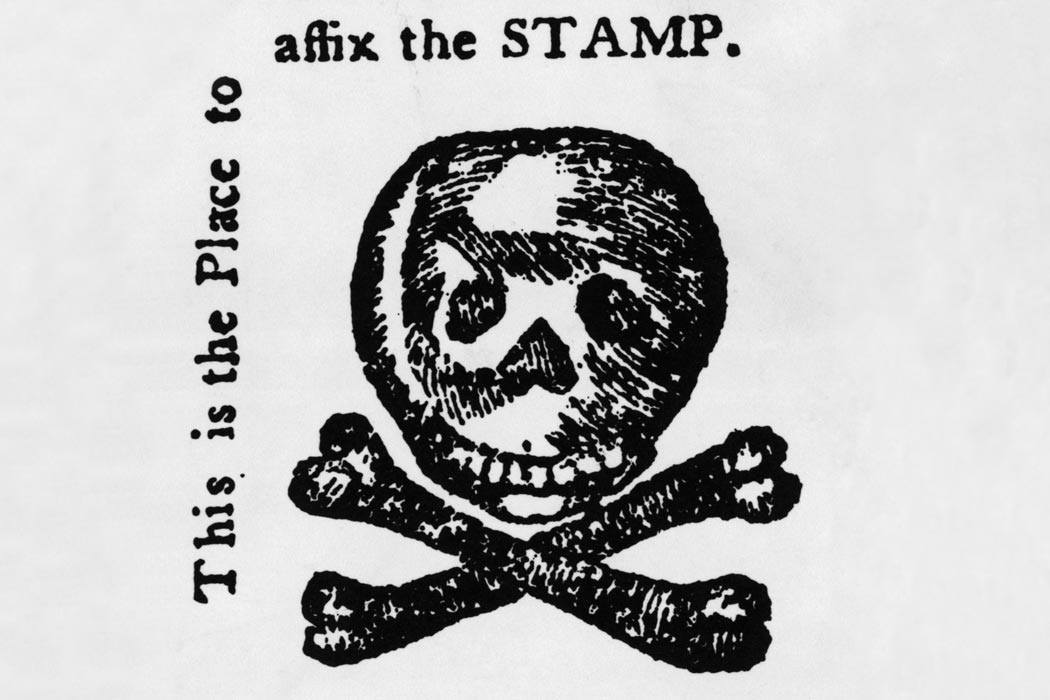
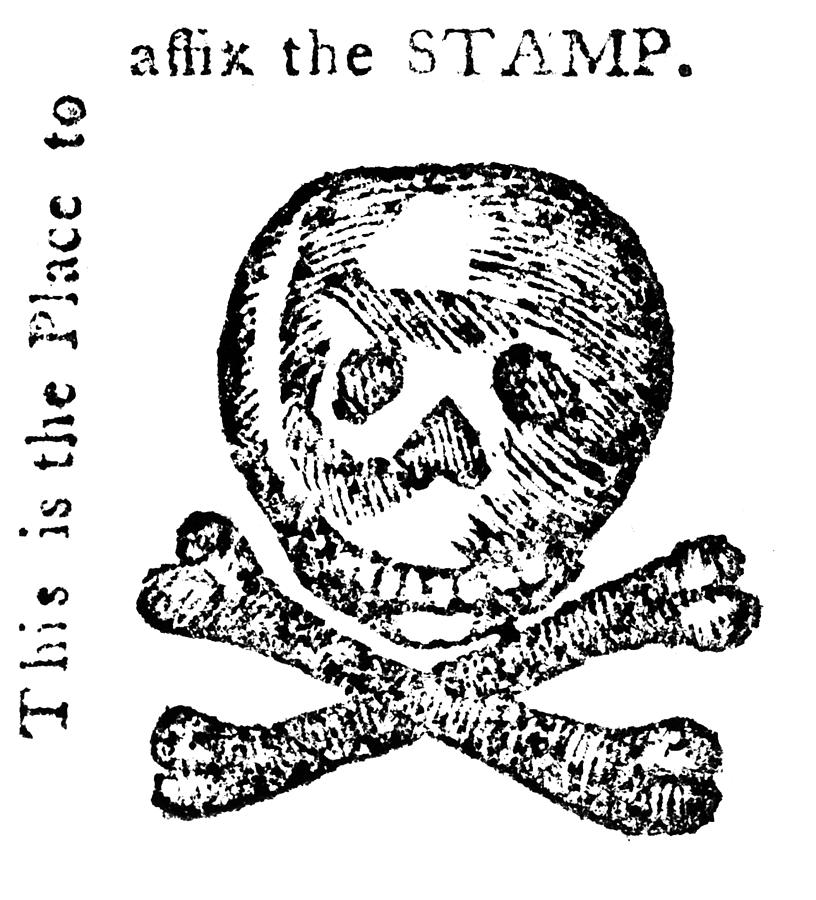
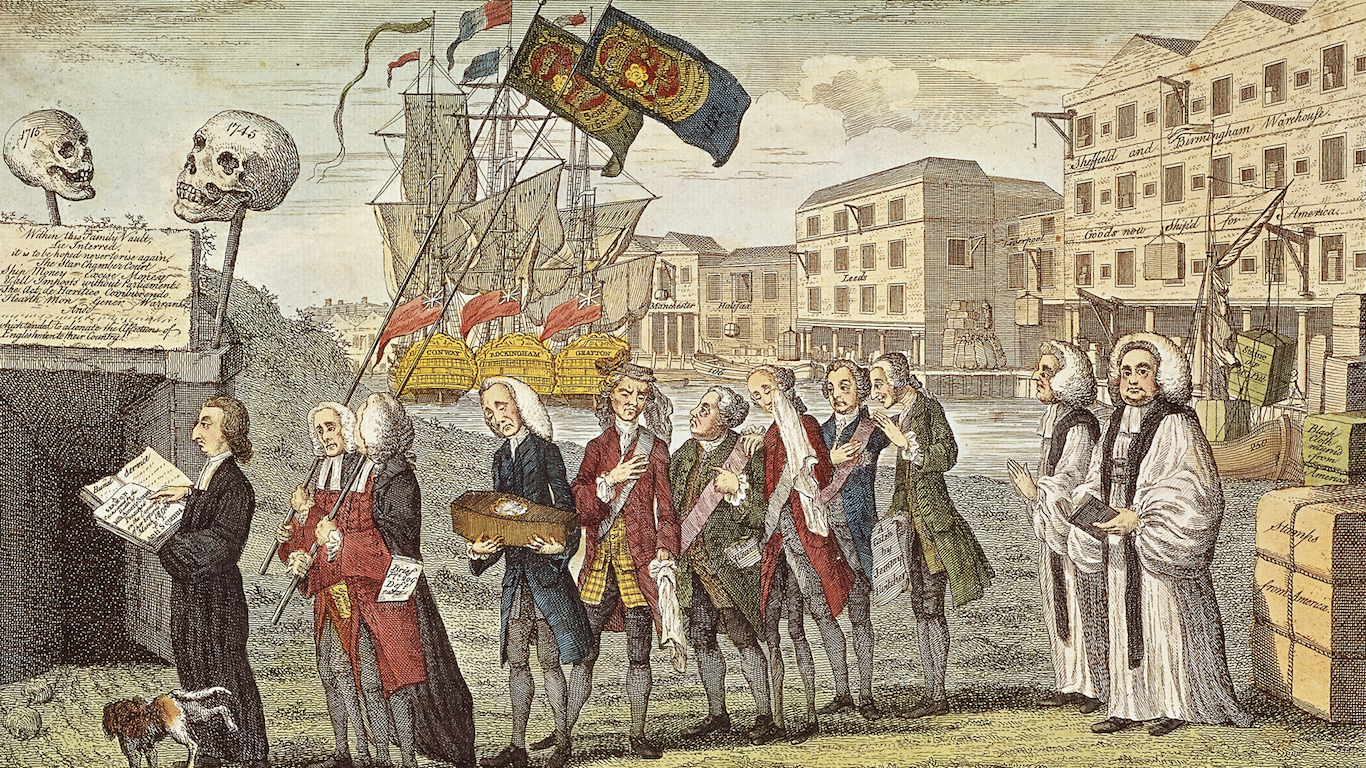
Stamp Act Drawings - Click a thumbnail panel link to scroll additional thumbnails into view. Web the stamp act 1 drawing. The bill received royal assent from king george iii on march. Web the passage of the stamp act meant that starting on november 1, 1765, the colonists would contribute £60,000 per year—17 percent of the total cost—to the upkeep of the ten thousand british soldiers in north america. Web stamp act congress, meeting convened in new york city (october 1765) by representatives of nine of the american colonies to frame resolutions of “rights and grievances” and to petition the king of england and the. 12), was an act of the parliament of great britain which imposed a direct tax on the british colonies in america and required that many printed materials in the colonies be produced on stamped paper from london which included an embossed revenue stamp. Web while these gentry were drafting their grievances during the stamp act congress, other colonists showed their distaste for the new act by boycotting british goods and protesting in the streets. | cartoon shows the hand of soviet foreign minister molotov stamping no on various papers calling for an atom bomb plan, a european recovery conference, and a japanese peace treaty. Cartoon shows the hand of soviet foreign minister molotov stamping no on various papers calling for an atom bomb plan, a european recovery conference, and a japanese peace treaty. Web from patrick henry in virginia to james otis in massachusetts, americans voiced their protest. Web the stamp act of 1765 was an act of parliament that levied taxes on the american colonies for the purpose of raising revenue for the british treasury. Web the stamp act was a tax imposed on the thirteen american colonies by the parliament of great britain. Web text of the stamp act, reprinted from an edition published by authority, at london, in 1765 A stamp act congress was convened in the colonies to decide what to do. Needing the revenue from american trade, the british parliament voted to repeal the stamp act in 1766. The colonists put their words into action and enacted widespread boycotts of british goods. Text of the stamp act, reprinted from an edition published by authority, at london, in 1765. Also available in digital form. The act required the colonists to pay a tax, represented by a stamp, on various forms. The bill received royal assent from king george iii on march. Web the stamp act 1765, also known as the duties in american colonies act 1765 (5 geo. Text of the stamp act, reprinted from an edition published by authority, at london, in 1765. It imposed a direct tax on all printed material in the north american colonies. The stamp act was enacted in 1765 by british parliament. Text of the. Text of the stamp act, reprinted from an edition published by authority, at london, in 1765. Web the stamp act was a tax imposed on the thirteen american colonies by the parliament of great britain. 12), was an act of the parliament of great britain which imposed a direct tax on the british colonies in america and required that many. Cartoon shows the hand of soviet foreign minister molotov stamping no on various papers calling for an atom bomb plan, a european recovery conference, and a japanese peace treaty. Needing the revenue from american trade, the british parliament voted to repeal the stamp act in 1766. Click a thumbnail to view the full size image. The most politically active segments. Click a thumbnail to view the full size image. Web on march 22, 1765, the british parliament passed the “stamp act” to help pay for british troops stationed in the colonies during the seven years’ war. The stamp act was enacted in 1765 by british parliament. Two groups, the sons of liberty and the daughters of liberty , led the. Text of the stamp act, reprinted from an edition published by authority, at london, in 1765. Web the stamp act 1 drawing. Web text of the stamp act, reprinted from an edition published by authority, at london, in 1765 Also available in digital form. Web the stamp act 1765, also known as the duties in american colonies act 1765 (5. The use of the stamped paper was required for newspapers, books, court documents, commercial papers, land deeds, almanacs, dice, and playing cards. Text of the stamp act, reprinted from an edition published by authority, at london, in 1765. It imposed a direct tax on all printed material in the north american colonies. Web print shows a skull and crossbones representation. The most politically active segments of colonial society—printers, publishers, and lawyers—were the most negatively affected by the act. The stamp act was enacted in 1765 by british parliament. Text of the stamp act, reprinted from an edition published by authority, at london, in 1765. The use of the stamped paper was required for newspapers, books, court documents, commercial papers, land. Web the act required that all sorts of printed material carry a stamp (purchased from a government agent) to show that the tax had been paid. Text of the stamp act, reprinted from an edition published by authority, at london, in 1765. A stamp act congress was convened in the colonies to decide what to do. Web the passage of. Web stamp act congress, meeting convened in new york city (october 1765) by representatives of nine of the american colonies to frame resolutions of “rights and grievances” and to petition the king of england and the. Web a political cartoon depicting the repeal of the stamp act in march 1766. Two groups, the sons of liberty and the daughters of. Web stamp act, first british parliamentary attempt (in 1765) to raise revenue through direct taxation of all american colonial commercial and legal papers, newspapers, pamphlets, cards, almanacs, and dice. 12), was an act of the parliament of great britain which imposed a direct tax on the british colonies in america and required that many printed materials in the colonies be. The act required the colonists to pay a tax, represented by a stamp, on various forms. Click a thumbnail panel link to scroll additional thumbnails into view. Web the stamp act of 1765 was an act of parliament that levied taxes on the american colonies for the purpose of raising revenue for the british treasury. Click a thumbnail to view the full size image. Two groups, the sons of liberty and the daughters of liberty , led the popular resistance to the stamp act. Also available in digital form. | cartoon shows the hand of soviet foreign minister molotov stamping no on various papers calling for an atom bomb plan, a european recovery conference, and a japanese peace treaty. Web stamp act, first british parliamentary attempt (in 1765) to raise revenue through direct taxation of all american colonial commercial and legal papers, newspapers, pamphlets, cards, almanacs, and dice. Web print shows a skull and crossbones representation of the official stamp required by the stamp act of 1765. Needing the revenue from american trade, the british parliament voted to repeal the stamp act in 1766. The caption refers to the infamous tax imposed on the american colonies by the british government in 1765. A stamp act congress was convened in the colonies to decide what to do. Text of the stamp act, reprinted from an edition published by authority, at london, in 1765. Text of the stamp act, reprinted from an edition published by authority, at london, in 1765. Web stamp act congress, meeting convened in new york city (october 1765) by representatives of nine of the american colonies to frame resolutions of “rights and grievances” and to petition the king of england and the. It imposed a direct tax on all printed material in the north american colonies.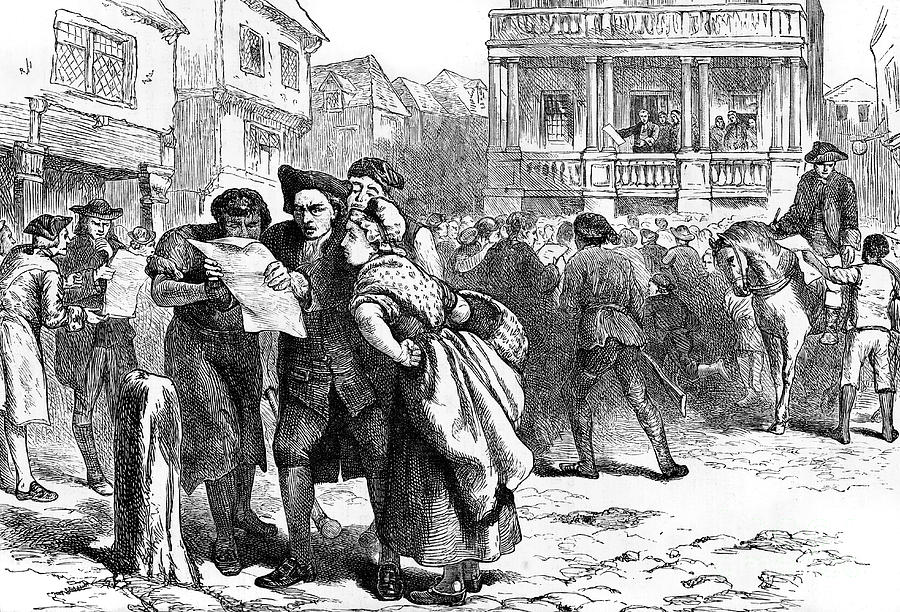
Bostonians Reading The Stamp Act, 1765 by Print Collector

Stamp Act Drawn Project YouTube
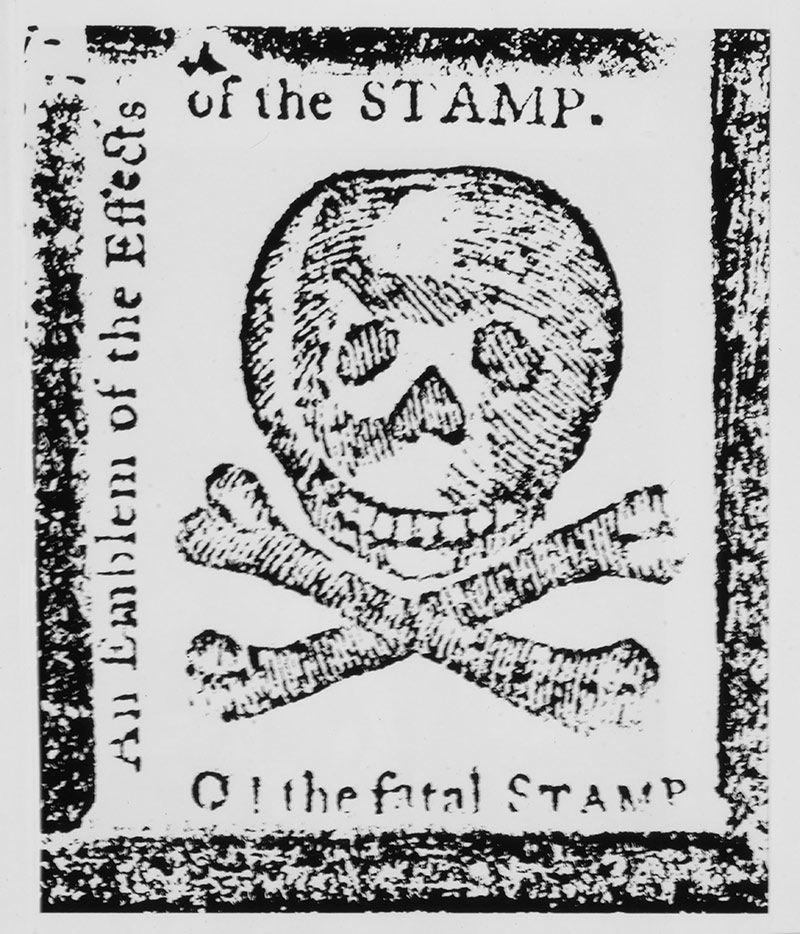
The Stamp Act History Today
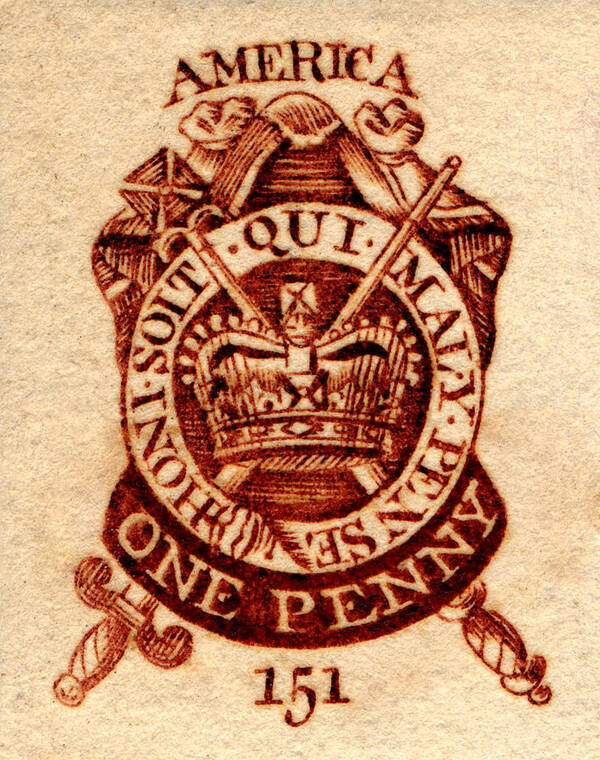
stamp act 1765 Stamp Act Paintings Fine Art America
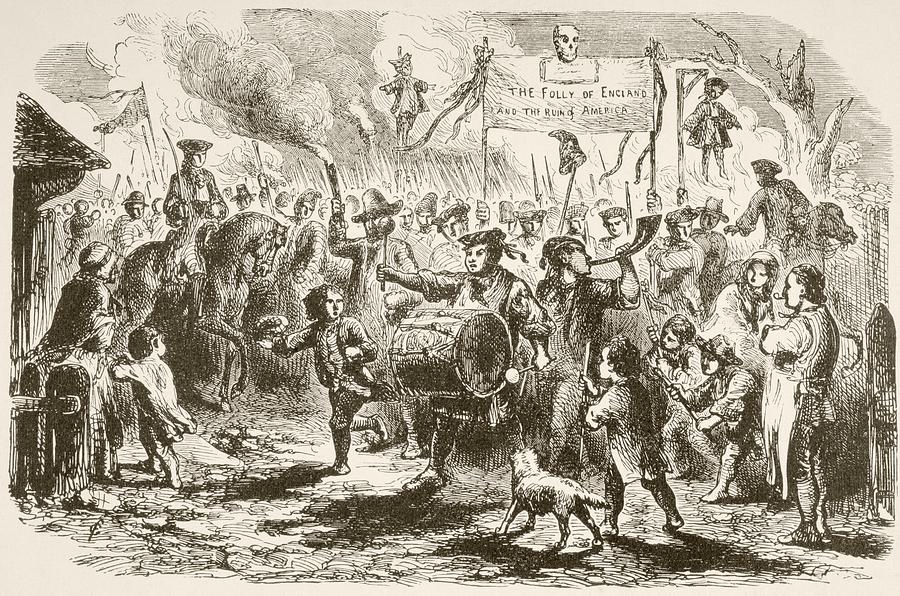
The Stamp Act Riots In New York, 1765 Drawing by Vintage Design Pics
Stamping Out the Stamp Act JSTOR Daily
Stamp Act Of 1765 For Kids

Stamp Act
Newsela The Stamp Act of 1765
Stamp Act ClipArt ETC
Web The Passage Of The Stamp Act Meant That Starting On November 1, 1765, The Colonists Would Contribute £60,000 Per Year—17 Percent Of The Total Cost—To The Upkeep Of The Ten Thousand British Soldiers In North America.
Web The Stamp Act Of 1765 Was The First Internal Tax Levied Directly On American Colonists By The British Parliament.
The Most Politically Active Segments Of Colonial Society—Printers, Publishers, And Lawyers—Were The Most Negatively Affected By The Act.
Papers That Were Used Daily Such As Newspapers, Legal Documents, And.
Related Post: