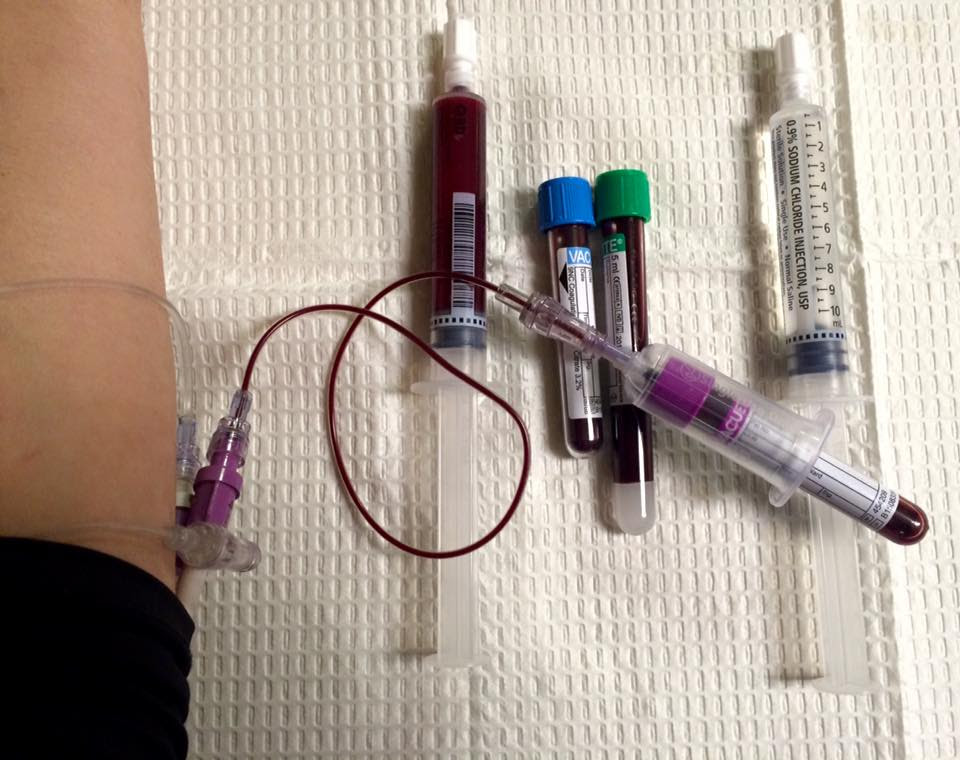
Drawing Blood From Midline
Drawing Blood From Midline - Web a midline catheter is a small tube used to give treatments and to take blood samples. Midlines are all about decreasing peripheral sticks, it improves the. Catheter occlusion / inability to draw blood 2. The only acceptable tip location for a picc line is the lower segement of the superior vena cava. Web use a midline catheter or peripherally inserted central catheter (picc), instead of a short peripheral catheter, when the duration of iv therapy will likely exceed six days. Drawing from a peripheral, except at the time of insertion becomes problematic as well. Results added knowledge on use of midline catheters (mcs) for blood sampling. A midline catheter is inserted into a vein in the arm, leg, or, occasionally, scalp of the infant. Web insert the needle proximally (ie, in the direction of venous blood flow), with the bevel facing up, along the midline of the vein at a shallow angle (about 10 to 30 degrees) to the skin. Dwell time was longer in those who had blood drawn from their mc. Bard’s powerglide midlines specifically say they can assist with blood sampling. Web midline catheters may carry a lower risk of infection than central lines5; Results added knowledge on use of midline catheters (mcs) for blood sampling. Remember to remove the tourniquet after the blood draw. Kelly, clinical nurse advisor, discusses if we can take or transfuse blood with midline catheters._____. Aspirate 10mls of blood and discard. Both can be used to draw blood samples. Web in this video we standard flushing technique and practice and how to properly draw labs from a midline. However, obtaining laboratory specimens from peripheral intravenous catheters may hemolyze the. Dwell time was longer in those who had blood drawn from their mc. Results added knowledge on use of midline catheters (mcs) for blood sampling. Nurse practices for blood sampling from mcs varied and learned from other nurses. Web a midline catheter is a small, thin tube that is inserted into a vein in the upper arm or at the bend in the elbow. Web in this video we standard flushing technique and. Both can be used to draw blood samples. Web insert the needle proximally (ie, in the direction of venous blood flow), with the bevel facing up, along the midline of the vein at a shallow angle (about 10 to 30 degrees) to the skin. Leakage at the insertion site 3. Clamp the port and thoroughly. A midline catheter is inserted. This may result in the need to draw another blood. Namely, cephalic, basilic, brachial, or median cubital veins in the upper arm. Bard’s powerglide midlines specifically say they can assist with blood sampling. Nurse practices for blood sampling from mcs varied and learned from other nurses. We additionally review some minor troubleshooting tec. Using mcs for blood withdrawal resulted in low rates of hemolysis (0.69%). Using mcs for blood withdrawal resulted in low rates of hemolysis (0.69%). 2 liters/minute) they will yield better. How is a midline catheter placed? Leakage at the insertion site 3. This may result in the need to draw another blood. The catheter is inserted into a vein in your arm. It is a venous, not an arterial, tourniquet. Web a midline catheter is a small tube used to give treatments and to take blood samples. How is a midline catheter placed? Catheter occlusion / inability to draw blood 2. The only acceptable tip location for a picc line is the lower segement of the superior vena cava. The tip of a midline lies in the upper deltoid or axillary vein. Its tip ends at or near the armpit (axillary) area. A midline catheter is a type of iv access. Web blood draws done often piccs and midline catheters what they are and what to expect | | | | picc with clamps picc without clamps _____ page 2 of 8 | piccs and midline catheters vascular access program | box 356155 1959 n.e. Pacific st., seattle, wa 98195 | 206.598. Web attach new sterile 10cc syringe and withdraw required. Both can be used to draw blood samples. Web attach new sterile 10cc syringe and withdraw required amount of blood you need for your specific lab tests. The tip of a midline lies in the upper deltoid or axillary vein. A midline catheter is inserted into a vein in the arm, leg, or, occasionally, scalp of the infant. The catheter. Dwell time was longer in those who had blood drawn from their mc. Also, routine blood draws are not advised from a midline catheter, as opposed to the more central types of venous catheters. Catheter occlusion / inability to draw blood 2. The end of a midline, inside your body, does not go past the top of your armpit. Web. We additionally review some minor troubleshooting tec. Using mcs for blood withdrawal resulted in low rates of hemolysis (0.69%). Dwell time was longer in those who had blood drawn from their mc. Its tip ends at or near the armpit (axillary) area. Web however, there may be some iv medicines that cannot be delivered through a midline catheter. Midlines are all about decreasing peripheral sticks, it improves the. Bard’s powerglide midlines specifically say they can assist with blood sampling. Its tip ends at or near the armpit (axillary) area. The effect of blood drawing techniques and equipment on the hemolysis of ed laboratory blood samples. Web midline catheters and peripherally inserted central catheters (picc) are both vascular access devices (vad) used for infusion therapies. Take care not to puncture too deeply and go through. Clamp the port and thoroughly. Web however, there may be some iv medicines that cannot be delivered through a midline catheter. Namely, cephalic, basilic, brachial, or median cubital veins in the upper arm. However, there is a lack of evidence regarding whether midline catheters are a viable method for blood sampling.1 while a recent study looking at the use of midline catheters for blood collection found a low rate of hemolysis (0.69%) in collected samples, the rate. Web obtaining routine blood draws from a midline catheter is contraindicated. Aspirate 10mls of blood and discard. Also, routine blood draws are not advised from a midline catheter, as opposed to the more central types of venous catheters. Kelly, clinical nurse advisor, discusses if we can take or transfuse blood with midline catheters._____. 2 liters/minute) they will yield better. Web so, if you want to draw labs, place or have placed a 4fr midline (or ideally a picc where blood flow is approx.
Drawing Blood and Administering Fluid of CVC YouTube
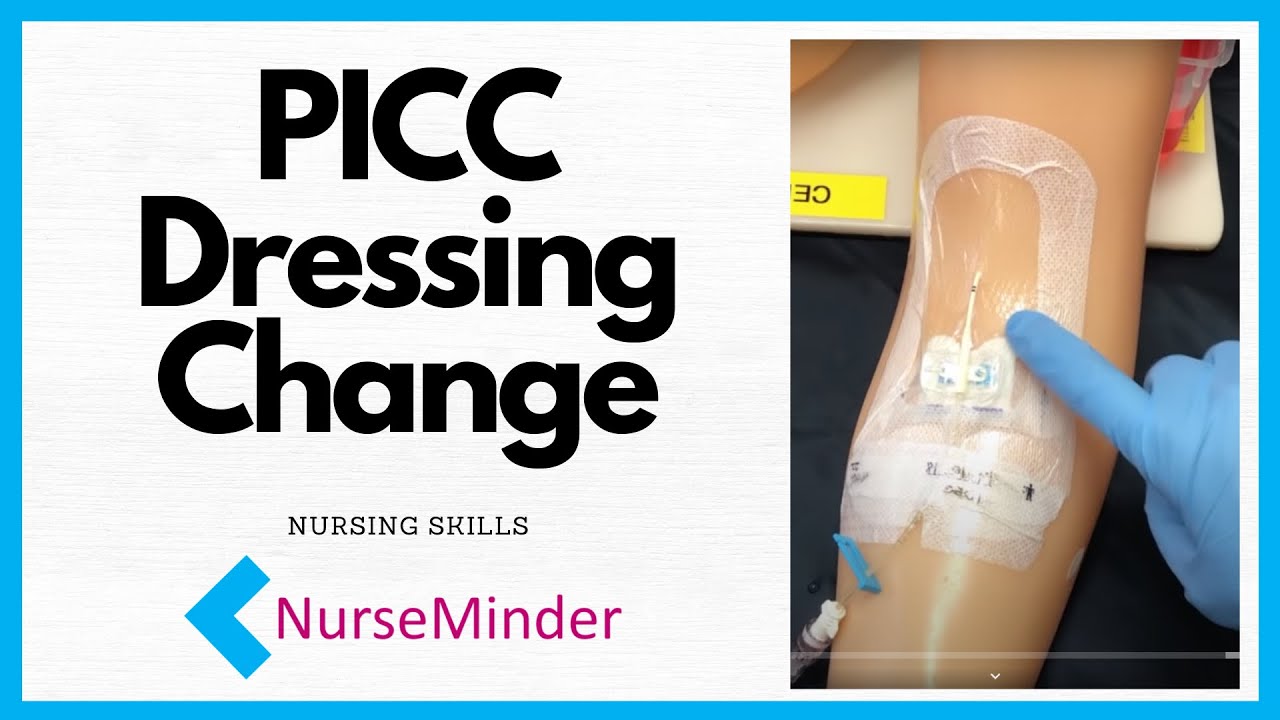
Drawing blood cultures from picc line photos DRAWING 99
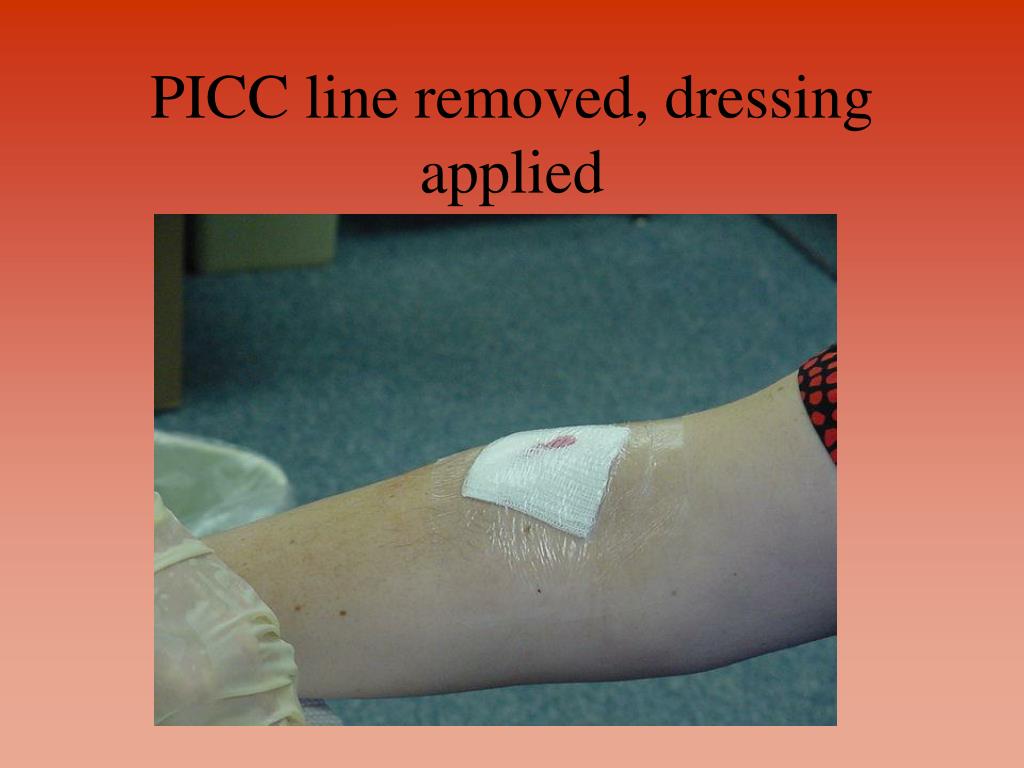
Drawing Blood Cultures From Picc Line
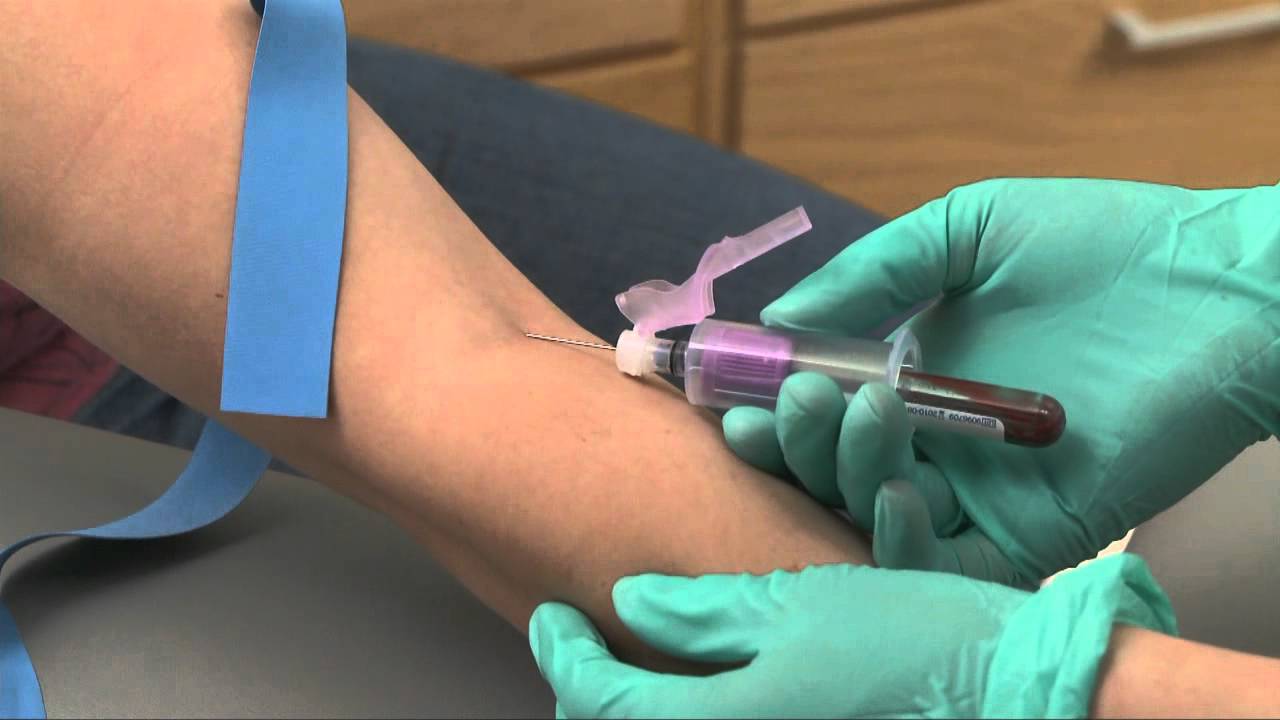
Best How To Draw Blood At Home of all time The ultimate guide

PICC Line Blood Draw Explained E Phlebotomy Training

Drawing blood from a picc line with surgical gloves (peripherally

How To Draw Blood A StepbyStep Guide

Midline Blood Draw Procedure YouTube

How to Draw Labs from an Arterial Line YouTube
Drawing Blood From Picc Line Nursing Ahuefa
Drawing From A Peripheral, Except At The Time Of Insertion Becomes Problematic As Well.
Using Mcs For Blood Withdrawal Resulted In Low Rates Of Hemolysis (0.69%).
Web Insert The Needle Proximally (Ie, In The Direction Of Venous Blood Flow), With The Bevel Facing Up, Along The Midline Of The Vein At A Shallow Angle (About 10 To 30 Degrees) To The Skin.
Web A Midline Catheter Is A Small Tube Used To Give Treatments And To Take Blood Samples.
Related Post: